
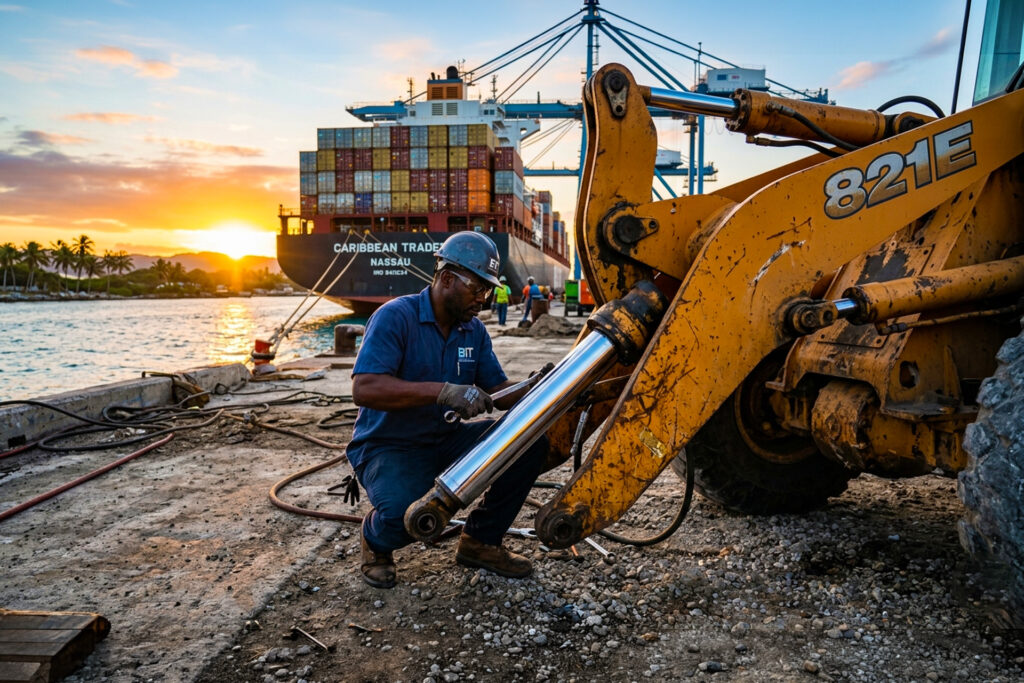
Restore vs Replace: The Decision That Saves (or Costs) Thousands
When critical equipment starts to fail, the first question many operators ask is simple:
“Should we replace it… or can it be repaired?”
At first glance, replacement might seem like the safest option. New parts, new performance, fewer unknowns. But in many cases—especially when it comes to hydraulic cylinders and heavy equipment components—restoration is not only viable, it’s often the smarter financial and operational decision.
Understanding the difference can mean the difference between controlled maintenance costs and unnecessary capital expenses.
🛠️ What Does “Restoration” Actually Mean?
Restoration goes far beyond a quick fix.
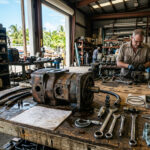
A properly restored hydraulic cylinder, for example, may involve:
- Precision honing of the cylinder tube
- Replacement of seals and wear components
- Repair or replacement of damaged chrome rods
- Full inspection for structural integrity and performance
When done correctly, restoration brings a component back to like-new operating condition—without the cost of full replacement.
💰 The Cost Factor: Not as Simple as It Seems
Replacement costs don’t stop at the price of the part.
They often include:
- Shipping and import delays (especially in island environments)
- Equipment downtime while waiting for parts
- Installation and potential compatibility adjustments
In contrast, restoration:
- Uses existing components when possible
- Reduces wait times significantly
- Keeps equipment in operation with minimal disruption
In many cases, restoration can cost a fraction of replacement—while delivering comparable performance.
⏱️ Downtime: The Hidden Expense
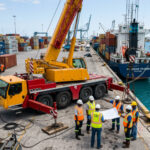
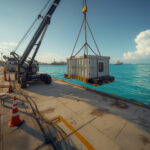
In industries like marine operations, construction, and port services, downtime is often more expensive than the repair itself.
A single piece of equipment out of service can:
- Delay shipments
- Disrupt schedules
- Impact multiple stakeholders at once
Restoration is often the faster solution, especially when handled by experienced technicians with the right equipment and materials on hand.
⚖️ When Replacement Is the Better Option
Restoration isn’t always the answer—and knowing when to replace is just as important.
Replacement may be necessary when:
- Structural damage is beyond safe repair
- Components are severely corroded or compromised
- The cost of restoration approaches or exceeds replacement value
- Updated technology significantly improves performance or safety
The key is not choosing one over the other blindly—but making an informed decision based on condition, cost, and long-term value.
🌊 The Bahamas Factor: Why This Decision Matters More Here
Operating in the Bahamas introduces unique challenges:
- Salt air accelerates corrosion
- Logistics can delay replacement parts
- Downtime impacts tightly scheduled marine operations
These factors make restoration not just a cost-saving option—but often a strategic advantage.
Having the ability to restore critical components locally can keep operations moving when replacement simply isn’t practical in the moment.
🔧 The BIT Approach
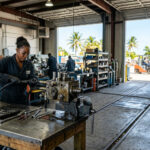
At Bahamas Industrial Technologies, restoration isn’t treated as a shortcut—it’s treated as a precision process.
With the right tools, materials, and experience, components are carefully evaluated and restored to meet demanding operational standards.
Because in the end, the goal isn’t just to fix equipment—it’s to extend its life, maintain performance, and keep your operations running without interruption.
📌 Final Thought
The next time a component fails, the real question isn’t just:
“How do we fix this?”
It’s:
“What’s the smartest way forward?”
In many cases, the answer isn’t replacement—it’s restoration done right.
Contact Bahamas Industrial Technologies Ltd. today and let’s build something strong together.