
What Downtime Really Costs (And Why It's More Than You Think)
Every business expects equipment to require maintenance eventually. It's part of operating heavy machinery, industrial facilities, and construction projects.
What often gets overlooked, however, is the true cost of downtime.
When a crane won't start, a hydraulic cylinder fails, or a critical piece of equipment is taken out of service, the repair bill is only one small part of the equation. The real costs often extend far beyond replacing a part or completing a repair.
For businesses operating in construction, marine services, manufacturing, and port operations, downtime can have a ripple effect that impacts productivity, profitability, and reputation.
The Obvious Cost: Repairs
The most visible expense is the repair itself.
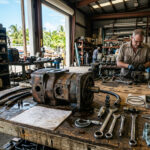
Whether replacing a hydraulic hose, rebuilding a cylinder, repairing structural components, or servicing mechanical systems, every repair carries a direct financial cost.
While these expenses are unavoidable, they are often not the most significant.
The Hidden Cost: Lost Productivity
Equipment doesn't generate value when it's sitting idle.
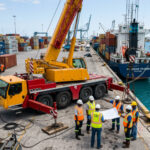
Every hour a crane, excavator, loader, or critical machine is out of service is an hour where work slows—or stops completely.
Projects can quickly fall behind schedule, crews may be left waiting, and productivity drops across the job site.
One unexpected breakdown can affect multiple teams simultaneously.
Delays That Multiply
Industrial projects rarely operate in isolation.
A delayed lift may postpone steel installation.
A failed hydraulic system can prevent loading operations.
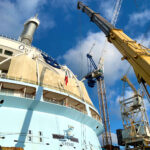
A mechanical issue may delay vessel servicing or construction milestones.
Each delay often creates another, affecting subcontractors, suppliers, transportation schedules, and project timelines.
In many cases, the cost of waiting exceeds the cost of the repair itself.
Reputation Matters
Reliability is one of the most valuable assets any contractor or industrial business can have.
Repeated delays, missed deadlines, and equipment failures can affect customer confidence and future business opportunities.
Clients may never see the repair taking place—but they certainly notice when a project falls behind schedule.
Maintaining reliable equipment helps protect more than operations; it protects your reputation.
Safety Should Never Be Compromised
Equipment rarely fails without warning.
Small hydraulic leaks, unusual vibrations, worn components, or declining performance are often early indicators that maintenance is needed.
Ignoring these warning signs doesn't just increase repair costs—it can increase safety risks for operators, technicians, and everyone working nearby.
Preventative maintenance is one of the most effective ways to reduce unexpected failures while maintaining a safer work environment.
Why Prevention Is Always the Better Investment
Regular inspections and proactive maintenance allow many issues to be identified before they become expensive breakdowns.
Replacing a seal today may prevent rebuilding an entire hydraulic cylinder tomorrow.
Repairing a hose assembly may prevent an extended equipment shutdown next week.
These small investments often deliver significant long-term savings by reducing downtime and extending equipment life.
The Island Factor
Operating in The Bahamas introduces challenges that many businesses elsewhere don't face.
Replacement parts may require international shipping.
Marine environments accelerate corrosion.
Specialized equipment isn't always immediately available.
When equipment is out of service, waiting days—or even weeks—for parts can have a significant impact on operations.
That's why local expertise, preventative maintenance, and fast response capabilities are so valuable.
Keeping Operations Moving
At Bahamas Industrial Technologies, we understand that our role extends beyond repairing equipment.
Our goal is to help clients minimize downtime, maximize reliability, and keep critical operations moving.
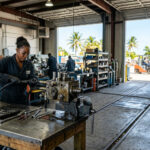
Whether it's mobile crane services, hydraulic repairs, machining, fabrication, or mechanical maintenance, every service we provide is focused on one objective: helping our clients stay productive.
Because in heavy industry, the true cost of downtime isn't measured only by the repair invoice.
It's measured by every hour lost, every delay created, every opportunity missed, and every project that depends on equipment performing when it's needed most.
Keeping equipment running isn't just good maintenance.
It's good business.